Paid NSF Research Experiences for Undergraduates (REU) with VWL!
The Smithsonian-Mason School of Conservation (SMSC) is seeking to fill 10 REU positions for Summer 2026 at our NSF-funded REU site “Saving Endangered Species and Habitats: Next-generation Education, Research, and Training for Conservation Biologists.” This 10-week REU, held from June 1 to August 7, 2026, will give undergraduate students an opportunity to conduct hands-on, full-time conservation research and gain career-ready skills to improve knowledge of and best management practices for threatened species with the goal of helping to alleviate the global extinction crisis. Students will work with mentors to develop an original inquiry-based research project within one of the following three focal areas: 1) assessing and monitoring species in the wild, 2) understanding species integrity and resilience to anthropogenic threats, and 3) improving captive management of threatened species.
VWL has two REU positions available:

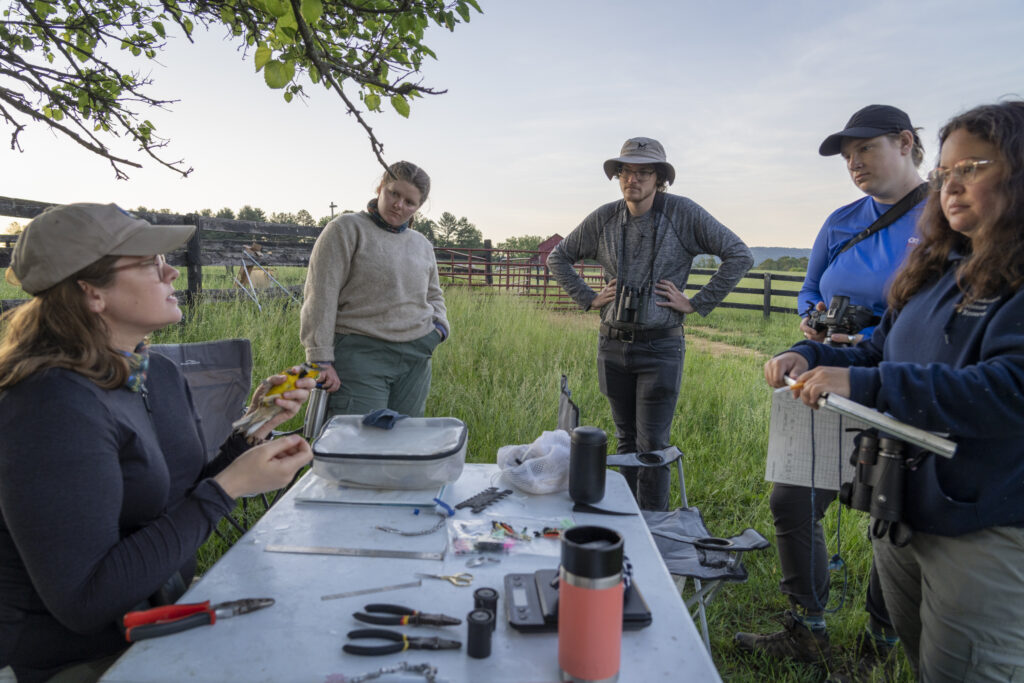
Ecosystem services of cavity-nesting birds in working landscapes (Mentor: Dr. Amy Johnson and Allison Huysman): Landowners install nest boxes on their properties to attract cavity-nesting birds that may consume pest arthropods and rodents. Students will examine if birds consume enough pests to have a meaningful impact on pest control and if this impact varies with land use and nest box density. Students will learn methodology for arthropod sampling and identification, avian nest monitoring, bird capture and banding, collection and laboratory preparation of biological samples for genomics analysis, and vegetation surveys. These research findings will help advise landowners on best management practices for nest boxes, which has the potential to reduce the need for pesticides and provide habitat for birds that are nest-site limited.
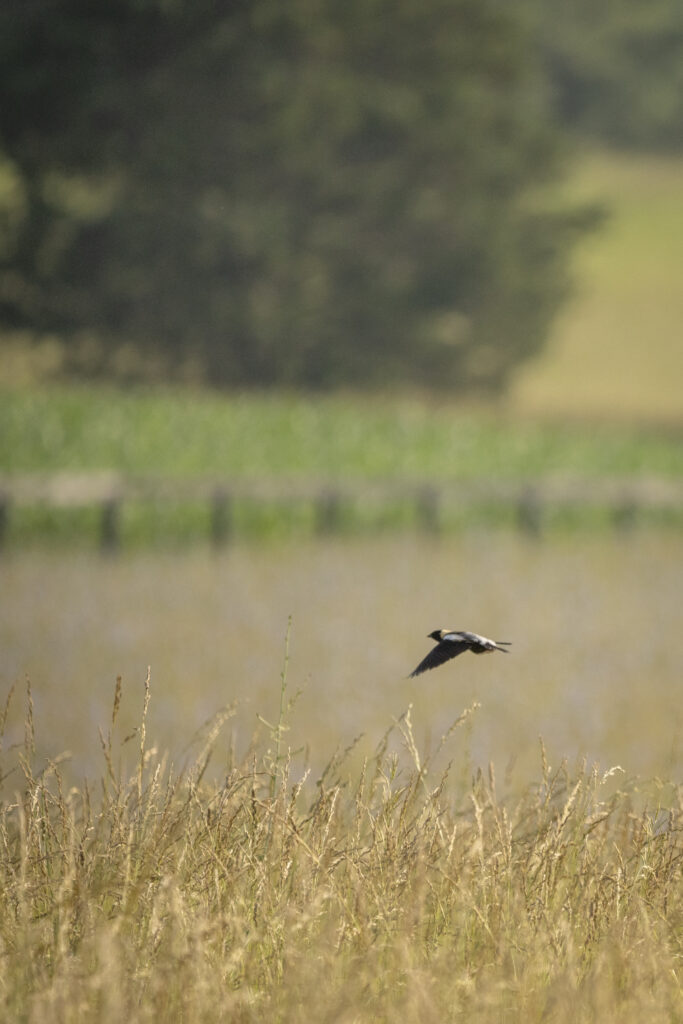
Exploring nutritional forage quality and tradeoffs in bird-friendly haying (Mentor: Dr. Bernadette Rigley): Students will examine how temporal variation in haying schedules affects forage nutritional composition and the reproductive success of grassland bird species. Students will learn forage sampling techniques, gain proficiency in R for data management, visualization, and statistical modeling, and acquire avian field research skills, including nest searching and mist-netting/ deploying tracking technologies on grassland birds. In addition, students will learn how to effectively communicate scientific findings and translate research outcomes into actionable messages that support conservation and sustainable agricultural practices. The project’s outcomes will inform haying strategies that balance forage quality with the conservation of declining grassland bird populations
The application deadline for these opportunities is January 30, 2026!